
"La San Marco"
500 article(s) found

Description of the flavor of the varieties recommended for single bean cooking in Ladisha Manor
For the exchange of professional baristas, please follow the LaTisha of Guatemala made by hand in the coffee workshop (Wechat official account cafe_style). 15g powder, medium grinding (small Fuji ghost tooth cutter 4 grinding), v60 filter cup, 88-89 degrees water temperature, the first water injection 30g water, 27 seconds of steaming, injection to 105g water cut off, wait for the powder bed water to half and then water injection, slow water injection until 225g water

General knowledge of Coffee Culture Guatemala Antigua Flower God Coffee Culture
Coffee was really introduced into Guatemala in 1750 by Father Jesuit, where the coffee industry was developed by German colonists at the end of the 19th century. Today, most of the coffee industry's production takes place in the south of the country. Guatemala has seven main coffee producing areas: Antigua (Antigua), Cobain (Coban), Lake Attilan (Atitlan), Vevetnango (Huehuetenango)

Introduction to Antigua Flower God, Guatemala Antigua Flower Coffee
As the name Hua Shen, beans have a beautiful appearance, after brewing, there are fine flowers and fruit sweet, taste can feel cocoa bitter and caramel sweet, light smoky taste, red wine aftertaste obvious, the overall taste is clean and bright. At present, some of the best quality coffee from Guatemala is exported to Japan, where each cup of coffee sells for $3 to $4. Moreover, Guatemala has specially set up a special

Introduction to the description of the characteristics of taste and flavor of delicious and balanced Guatemalan coffee
Guatemala is bordered by Mexico to the north, Honduras and El Salvador to the south, the Caribbean to the east and the Pacific Ocean to the west, with tropical rain forests, volcanic geology, plateau valleys and changeable microclimate. Guatemalan coffee once enjoyed a reputation as the best quality coffee in the world. The extra-hard coffee beans here are full-grained, delicious and balanced, and the coffee made with it is pure and strong.

History of taste characteristics of Guatemalan coffee
The main areas rich in high-quality coffee in Guatemala are Lake Attilan (Lake Atitlan) and Huehuentenango. The purpose of the project is to help restore the vicious circle of high yield and low quality that has plagued the world coffee industry. For example, Bourbon trees grow taller and produce less coffee beans than the new dwarf trees, although they all belong to Arabica coffee varieties.

Common sense of Coffee Bean Culture Guatemala Antigua Flower God Coffee Culture
Coffee was really introduced into Guatemala in 1750 by Father Jesuit, where the coffee industry was developed by German colonists at the end of the 19th century. Today, most of the coffee industry's production takes place in the south of the country. Guatemala has seven main coffee producing areas: Antigua (Antigua), Cobain (Coban), Lake Attilan (Atitlan), Vevetnango (Huehuetenango)

Guatemala Antigua coffee with delicate floral and fruity aromas Introduction Latissa Manor
Floral God as its name, beans have a beautiful appearance, brewing delicate floral and fruit sweet, taste can feel cocoa bitter and caramel sweet, light smoky, red wine aftertaste obvious, the overall taste clean and bright. Currently, some of Guatemala's finest coffee is exported to Japan, where it sells for $3 to $4 a cup. Moreover, Guatemala deliberately set up a special

Characteristic Source practice of Guatemalan Coffee
Currently, they are also benefiting from a U.S.-funded project that locals call The Project, which plans to invest $2.5 million to encourage the opening of small, high-quality coffee plantations. The main areas rich in high-quality coffee in Guatemala are Lake Attilan (Lake Atitlan) and Huehuentenango. The purpose of the project is
Coffee producing areas in Guatemala
In 1750, Father Jesuit introduced coffee trees to Guatemala, where the coffee industry was developed by German colonists at the end of the 19th century. Today, most of the coffee industry's production takes place in the south of the country.

Introduction of Antigua Flower God Coffee beans in Guatemala
Following Cafe (official Wechat account vdailycom) found that Cafe Beautiful opened a small shop of its own. Coffee was really introduced to Guatemala in 1750, introduced by Father Jesuit, and the coffee industry was developed by German colonists at the end of the 19th century. Today, most of the coffee industry's production takes place in the south of the country. There are seven main coffee producing areas in Guatemala: Antigu
Guatemala Antigua Flower God Coffee Culture China Coffee Network Central and South American beans
Coffee was really introduced into Guatemala in 1750 by Father Jesuit, where the coffee industry was developed by German colonists at the end of the 19th century. Today, most of the coffee industry's production takes place in the south of the country. There are seven main coffee producing areas in Guatemala: Antigua, Coban, Atitlan and Huehuet.

Introduction of High quality Coffee Plantation in Guatemala
High-quality coffee plantations. The main areas rich in high-quality coffee in Guatemala are Lake Attilan (LakeAtitlan) and Huehuentenango. The purpose of the project is to help restore the vicious circle of high yield and low quality that has plagued the world coffee industry. For example, Bourbon trees grow taller and produce fewer coffee beans than the new dwarf trees, although they all belong to
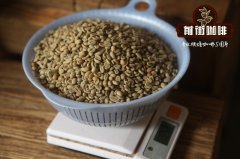
Unique Guatemalan coffee Guatemala Platanillo Manor Elephant beans how to do hand flushing? Yes
Professional coffee knowledge exchange more coffee bean information please follow the coffee workshop (Wechat official account cafe_style) unique Guatemalan coffee Guatemala Platanillo estate elephant beans how to make? What kind of coffee do you have? Coffee has contributed to the economic situation in Guatemala over the past century, and it is estimated that there are about 120000 coffee producers in the area, which is a dangerous place.

Introduction to the delicious and balanced Antigua coffee producing area in Guatemala
The capital, Guatemala City, is the largest city in Guatemala and the city of Central America. Map of Guatemala covers an area of 996 square kilometers with a population of 3.1 million (2010). Founded in 1524. Due to repeated damage by the earthquake, he moved to his present site in 1776. How low buildings are in the city. It has been the capital since 1779. It was the capital of the Central American Federation from 1823 to 1838. Coffee, corn

Guatemala coffee beans origin characteristics Starbucks caramel macchiato method
They are also currently benefiting from a US-funded program known locally as The Project, which plans to invest $2.5 million to encourage small, high-quality coffee plantations. The main regions of Guatemala that produce high-quality coffee are Lake Atitlan and Huehuentenango. the aim of the project is

The brewing mode of fine coffee in Guatemalan coffee manor
The main areas rich in high-quality coffee in Guatemala are Lake Attilan (Lake Atitlan) and Huehuentenango. The purpose of the project is to help restore the vicious circle of high yield and low quality that has plagued the world coffee industry. For example, Bourbon trees grow taller and produce less coffee beans than the new dwarf trees. Although they all belong to Arabica coffee varieties, bourbon

Guatemala Antigua Flower God Coffee Flavor description; introduction to the taste characteristics of grinding degree
Some of the best quality coffee from Guatemala is exported to Japan, where it sells for $3 to $4 per cup. Moreover, Guatemala has specially set up a special coffee association and gives the greatest funding and attention to these high-quality Russian coffee. These efforts soon bear fruit. From October 2006 to May 2007, Guatemala's coffee exports accounted for 3.5% of the world's coffee exports.

Taste characteristics of Guatemala coffee Coffee bean washing
Guatemala Antigua coffee flavor characteristics: rich, rich taste, with tobacco flavor. The palate is soft and mellow with a hint of charcoal, just like the sweetness of chocolate mixed with smoke. Antigua coffee is also known as Cigarette Coffee because of its unique charcoal-burning aroma. The main areas of Guatemala producing quality coffee are Lake Atitlan and Veve
Introduction to the appearance characteristics of Guatemalan coffee beans
In 1750, Father Jesuit introduced coffee trees to Guatemala, where the coffee industry was developed by German colonization at the end of the 19th century. Today, most of the coffee industry's production takes place in the south of the country. Here, the slopes of the Sierra Madre volcano provide ideal conditions for growing high-quality coffee beans, coffee plants growing at high altitudes.

Nutritionally balanced Coffee Bean Flavor of Incht Manor in Guatemala Jane description of Flavor and Flavor
Ash from Pacaya, Guatemala's most active volcano, provides important minerals for the soil in the region. There is plenty of sunshine in the dry season, and although the clouds and dew are heavy in the morning, they dissipate quickly. As a result, 100% of the coffee in the area is processed in the full sun. Characteristics of Waiqiangs plateau coffee cups (Fraijanes Plateau? Cup profile) Fraijanes Plateau?